Guide · 2 min read
The Best Pocket Knives Under $100, From a Store That Sharpens Them
What $100 buys in a pocket knife and the ones we hand people at the counter: Victorinox Alox, Kershaw folders, CobraTec automatics and vintage stockmen with decades left in them. With what to look for in steel, lock and size.
Updated October 21, 2026 · Austin Blade Co., 7600 N Lamar Blvd, Austin
A hundred dollars buys a real knife. It will not buy titanium or MagnaCut, and it should not try to; what it buys is a blade you will carry every day, sharpen yourself and not worry about. Here is how we steer people at the counter.
What $100 should get you
- A named steel. 14C28N, D2, 8Cr13MoV, VG-10 on a sale, or Victorinox's stainless. If the listing does not say, assume the worst.
- A lock you can close without thinking. Liner lock, frame lock, lockback or Victorinox's slip joint, which does not lock and does not need to for what it does.
- A blade between 2.5 and 3.5 inches. Big enough to work, small enough to disappear in a pocket and legal everywhere in Texas without a second thought.
- A pocket clip that holds and a pivot that opens smoothly and stays where it is set.
What you give up at this price: premium steel edge life, titanium and carbon fiber, and the finish work that makes a $300 knife feel like one. None of those make a knife cut better.
The ones we hand people
Victorinox Alox Cadet or Pioneer. The quiet favorite of people who know knives. A clean blade, a screwdriver and a bottle opener in a slab-sided aluminum handle that will outlast you. No lock, which is the point: it is a tool, and it goes anywhere.
Kershaw folders. Assisted-opening or manual, in 8Cr13MoV or D2, with a reliable liner lock and a clip that works. The budget knife most people's first knife should have been.
CobraTec OTF. If you want an automatic, this is the one to start with: Texas-made, solid, and the blades are replaceable at home. Legal to buy and carry in Texas.
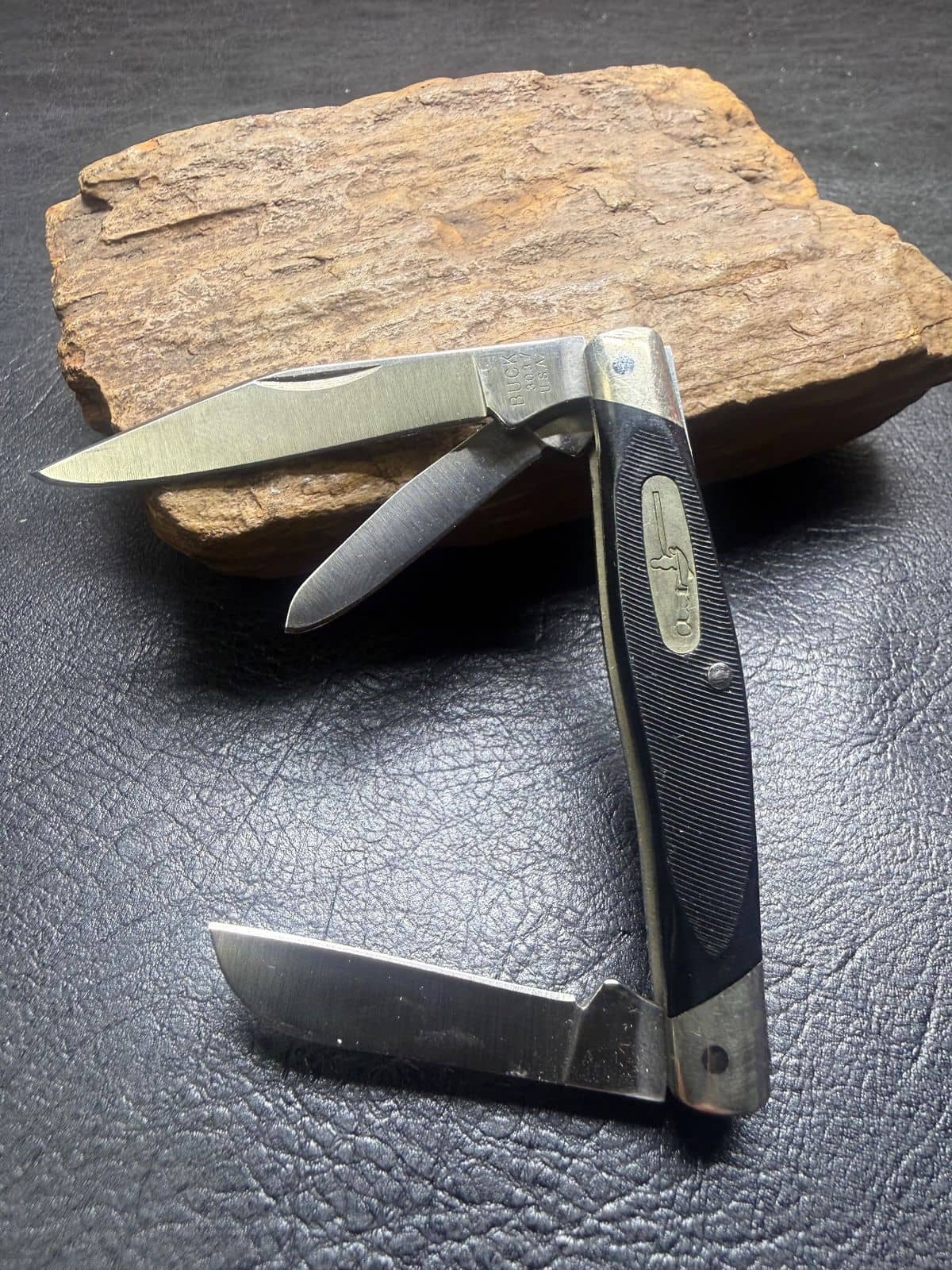
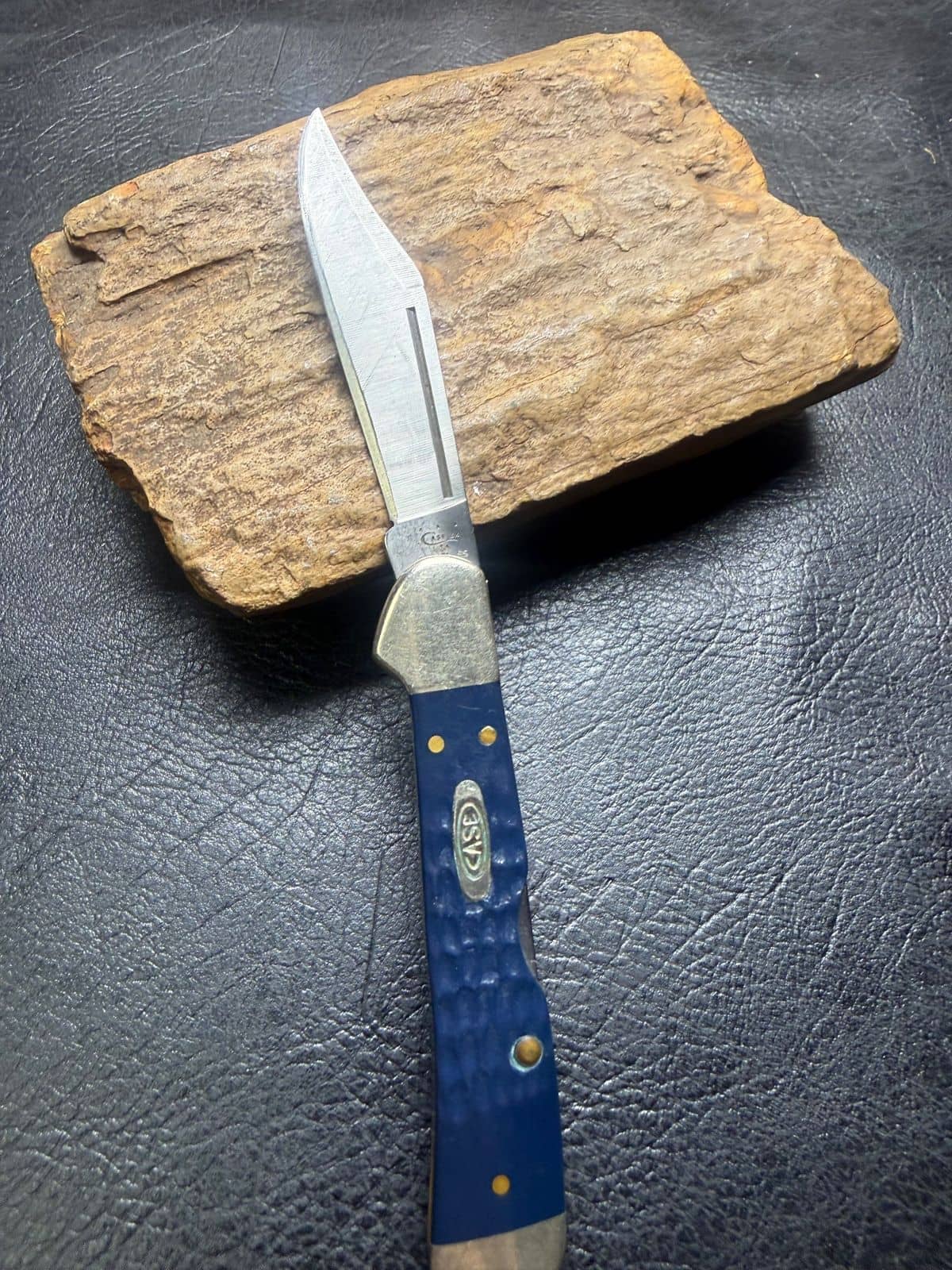
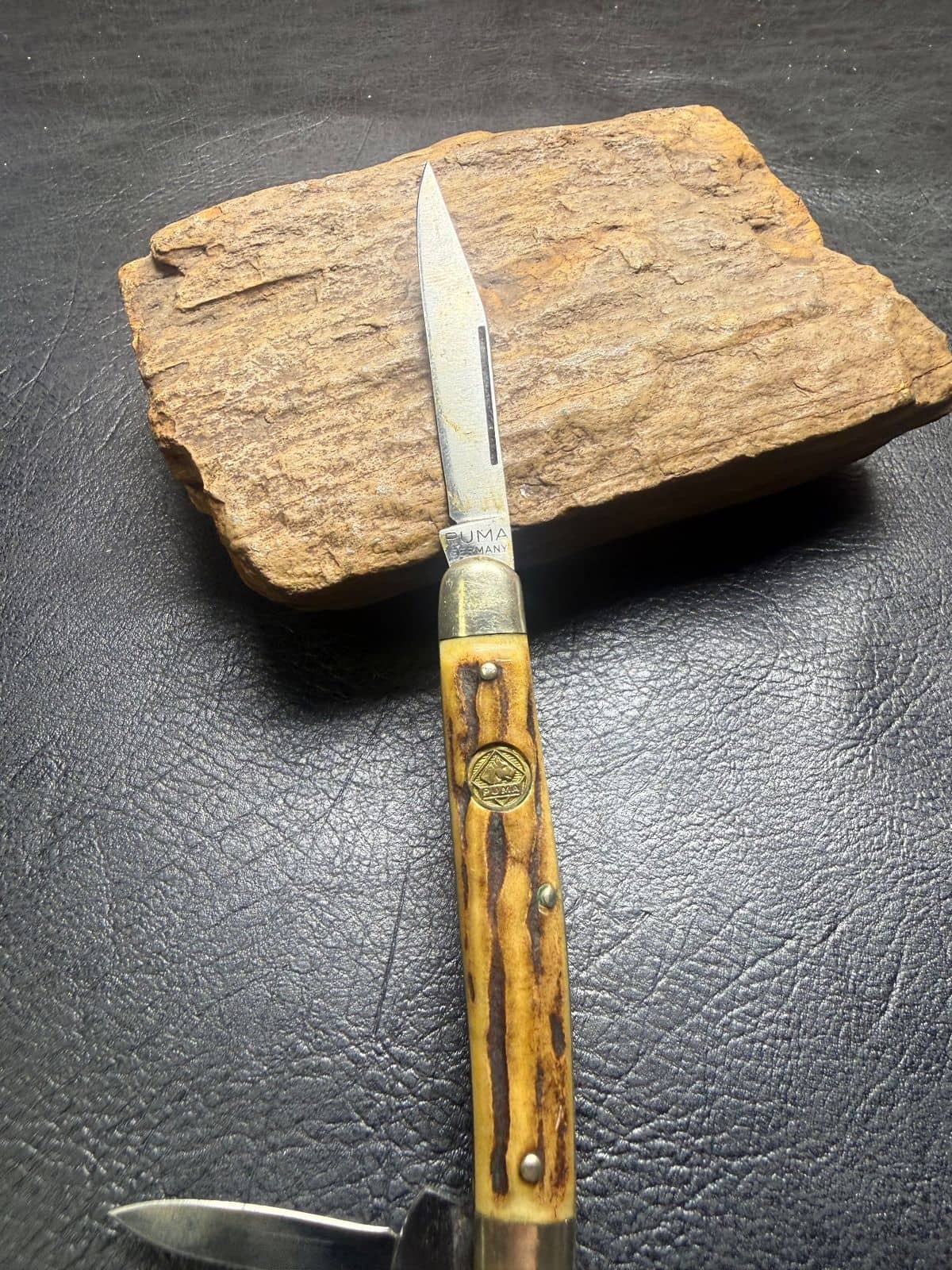
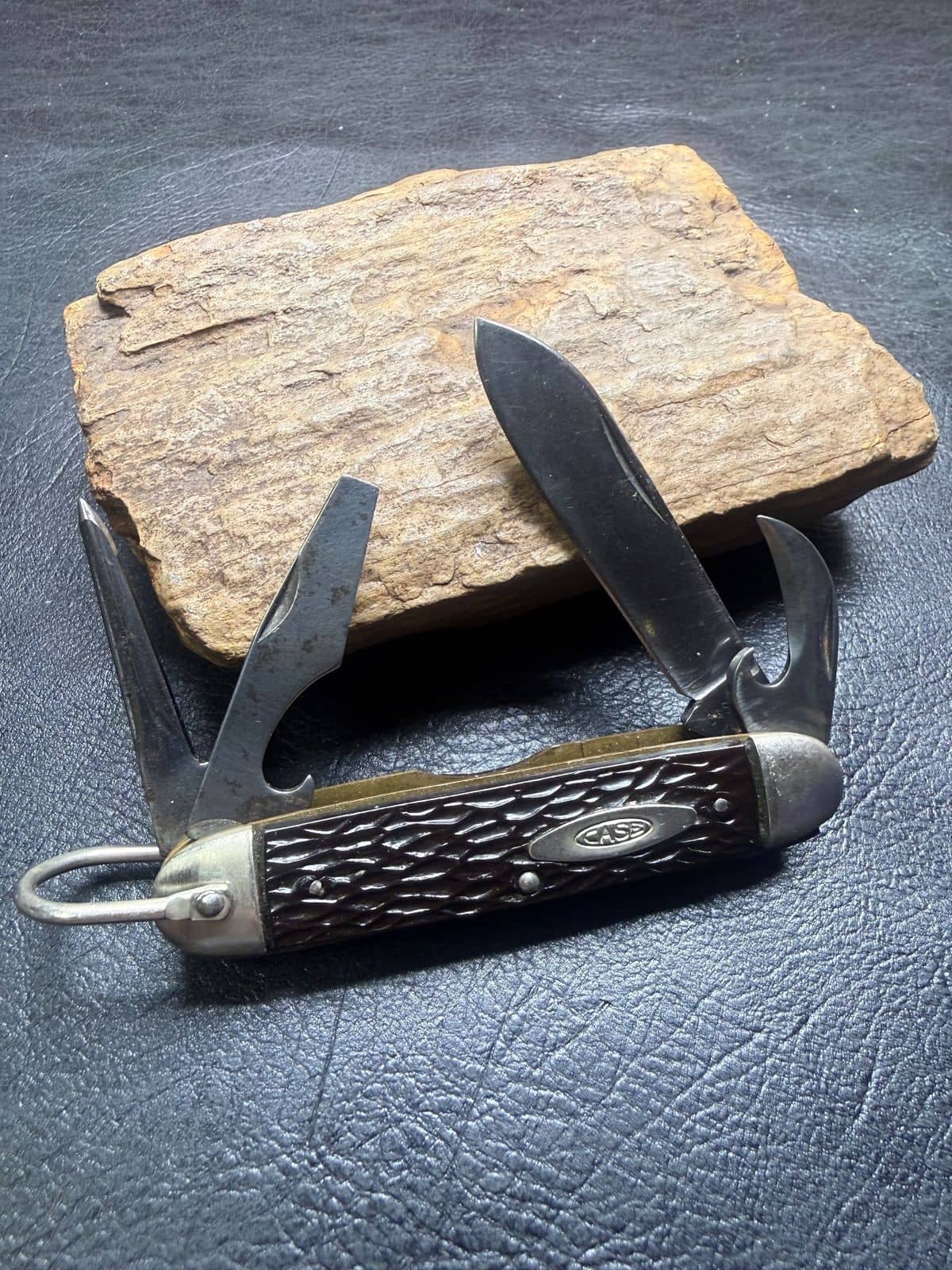
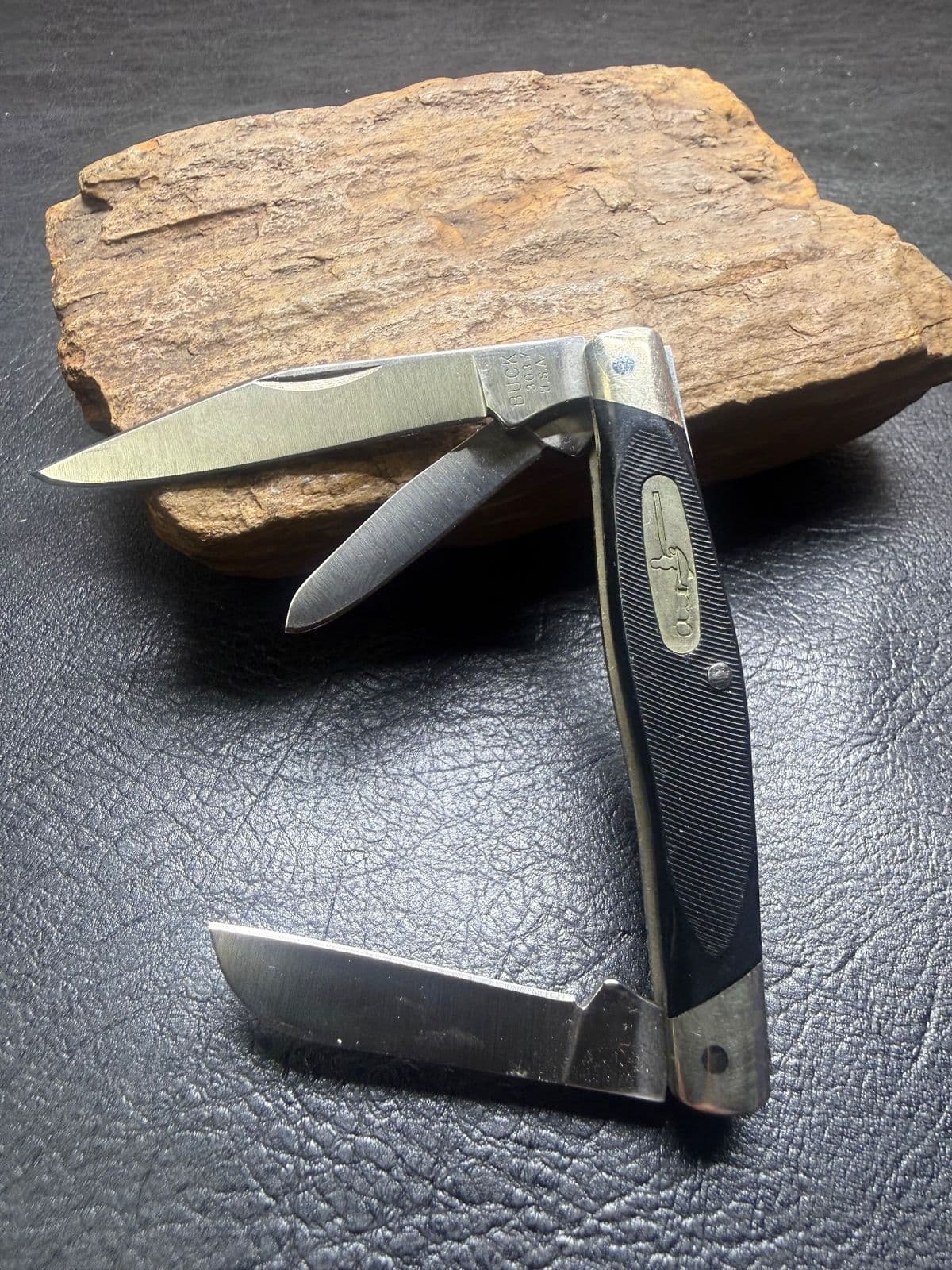
A vintage stockman. A 1970s Case, Schrade Walden, Camillus or Western with a full blade and a good snap. Carbon steel that takes a wicked edge, three blades, and a knife with a history. Our vintage buying guide tells you what to check.
Buck 110 or 112. The lockback that defined the category, still made in Idaho, often under $100. Heavy, and that is part of it.
How to choose between them
- Do you want tools? Victorinox. Nothing else at the price comes close.
- Do you want one-hand opening? Kershaw.
- Do you want an automatic? CobraTec.
- Do you want character? A vintage stockman or a Buck.
Then come in and open them. The right one is obvious in your hand in a way it never is on a screen.
Shop the case
Common questions
- What is the best pocket knife under $100?
- For a knife with tools, a Victorinox Cadet or Pioneer in Alox. For a locking blade, a Kershaw folder in 8Cr13MoV or D2. For a first automatic, a CobraTec. All three are on our shelf and all three can be handled at the counter.
- Is a $50 knife good enough for everyday carry?
- Yes, if it has a steel you can sharpen and a lock you trust. The difference between a $50 and a $200 knife is mostly steel edge life, materials and finish, not whether it cuts.
- Which budget knife steel should I look for?
- 14C28N, D2, 8Cr13MoV or Victorinox's stainless. All sharpen easily and hold an edge well enough for daily use. Avoid knives that do not say what steel they use.
- Are vintage pocket knives a good buy under $100?
- Often the best buy. A 1970s Case, Schrade or Camillus stockman with a full blade and a good snap will outlast most new knives at the price. Our vintage guide covers what to check.